



请给我们留言
隐私声明:您的隐私对我们非常重要。我们公司承诺不会在您的明确许可的情况下向任何外部公司披露您的个人信息。
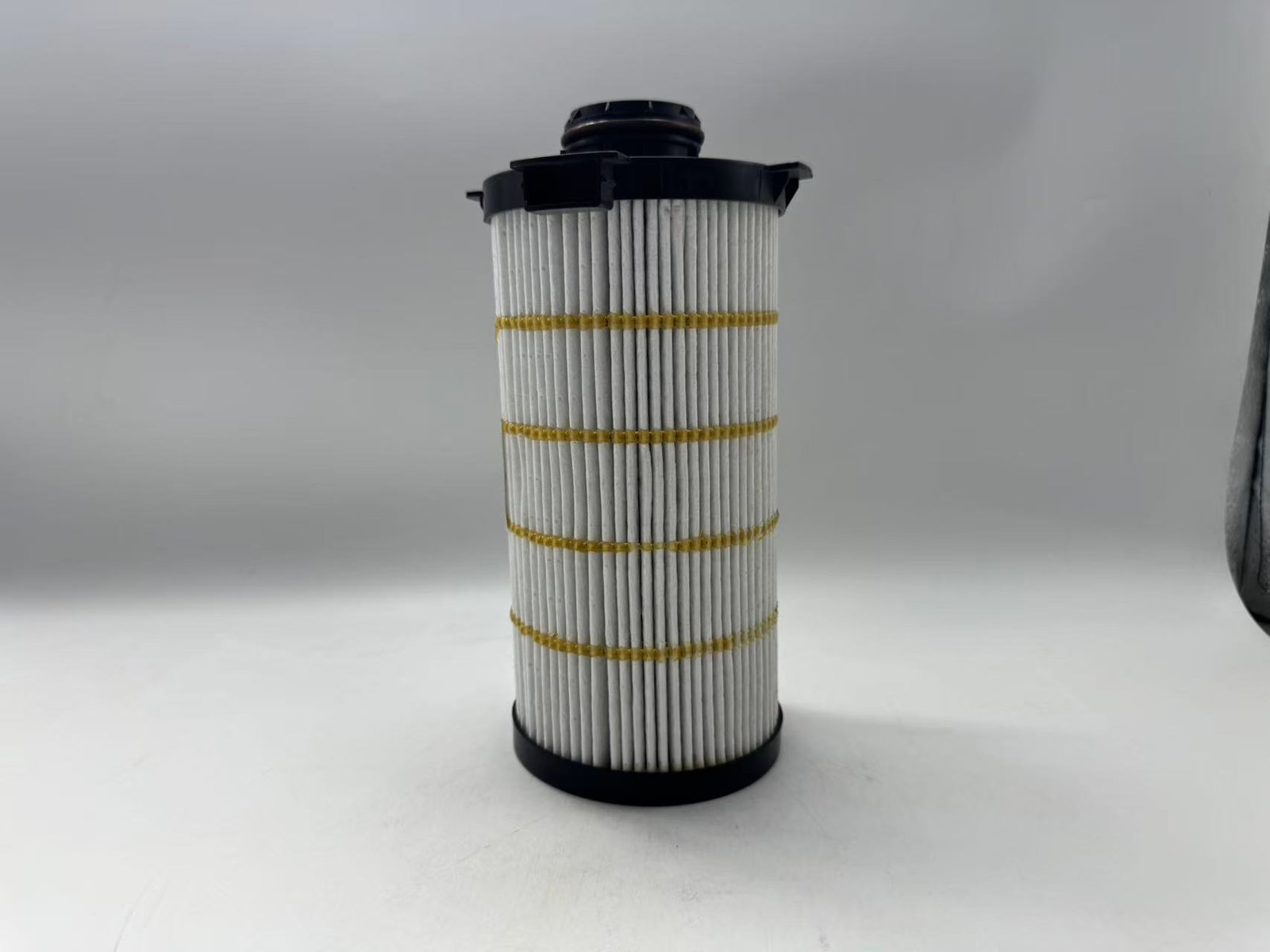
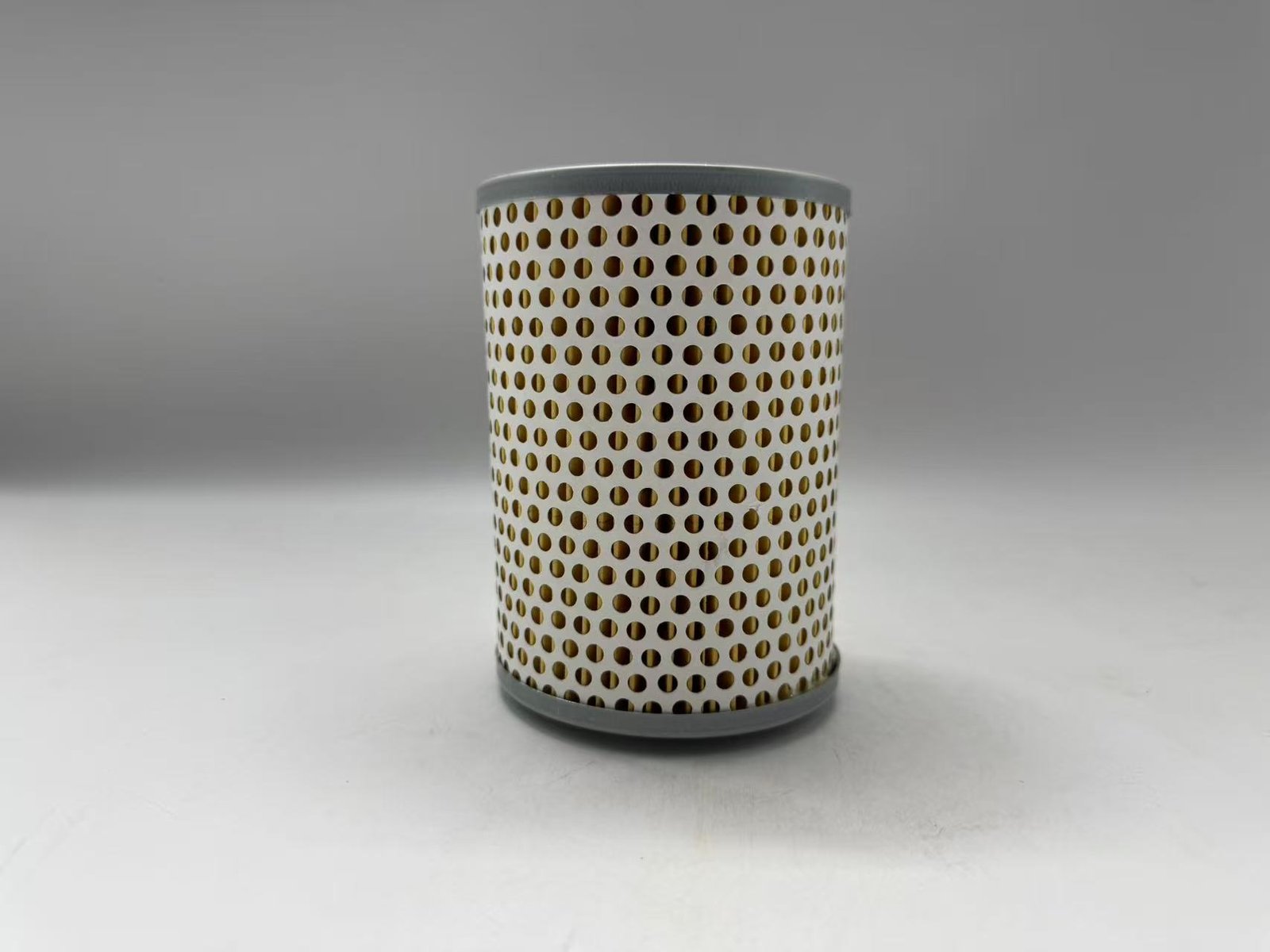
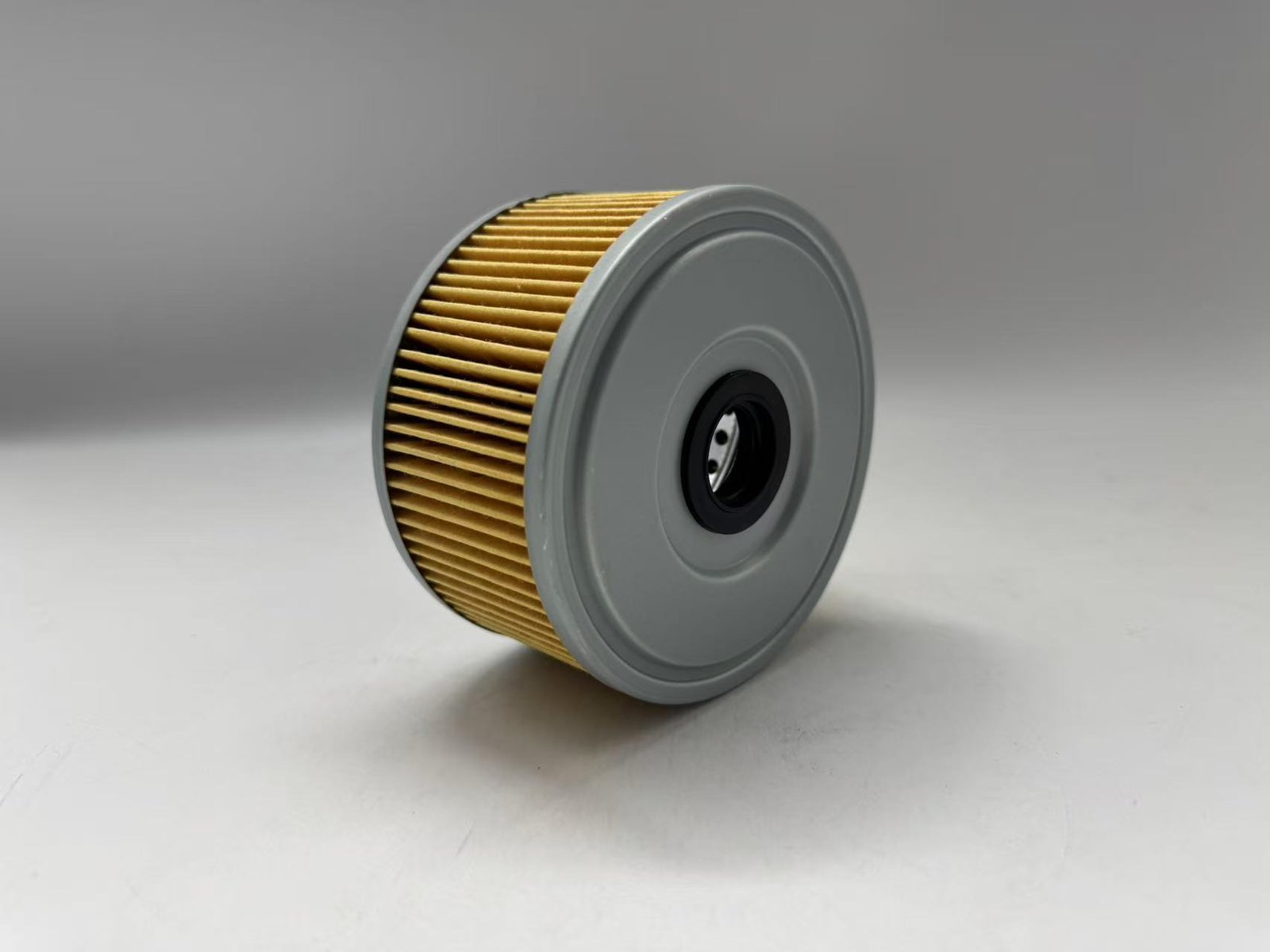
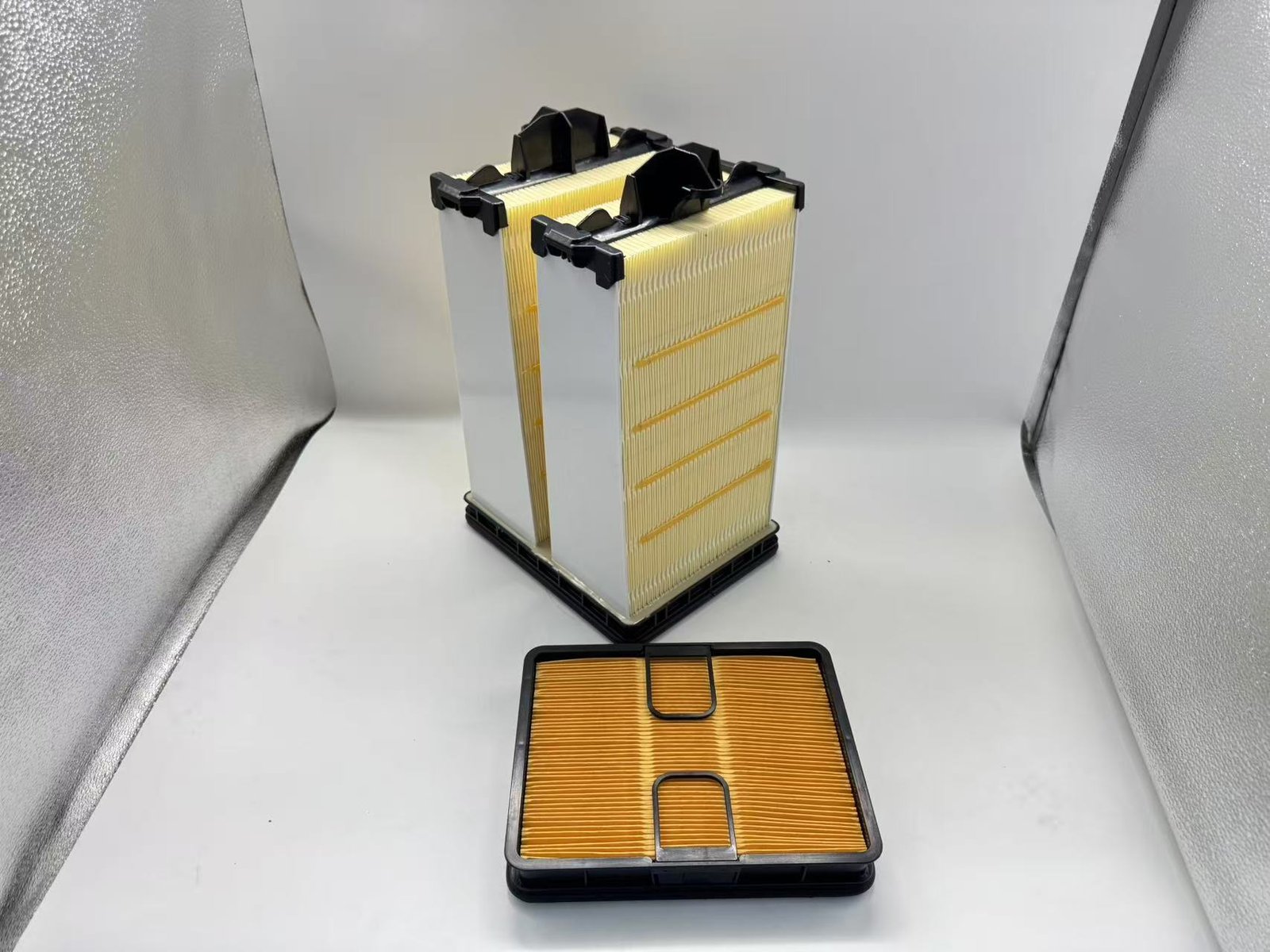
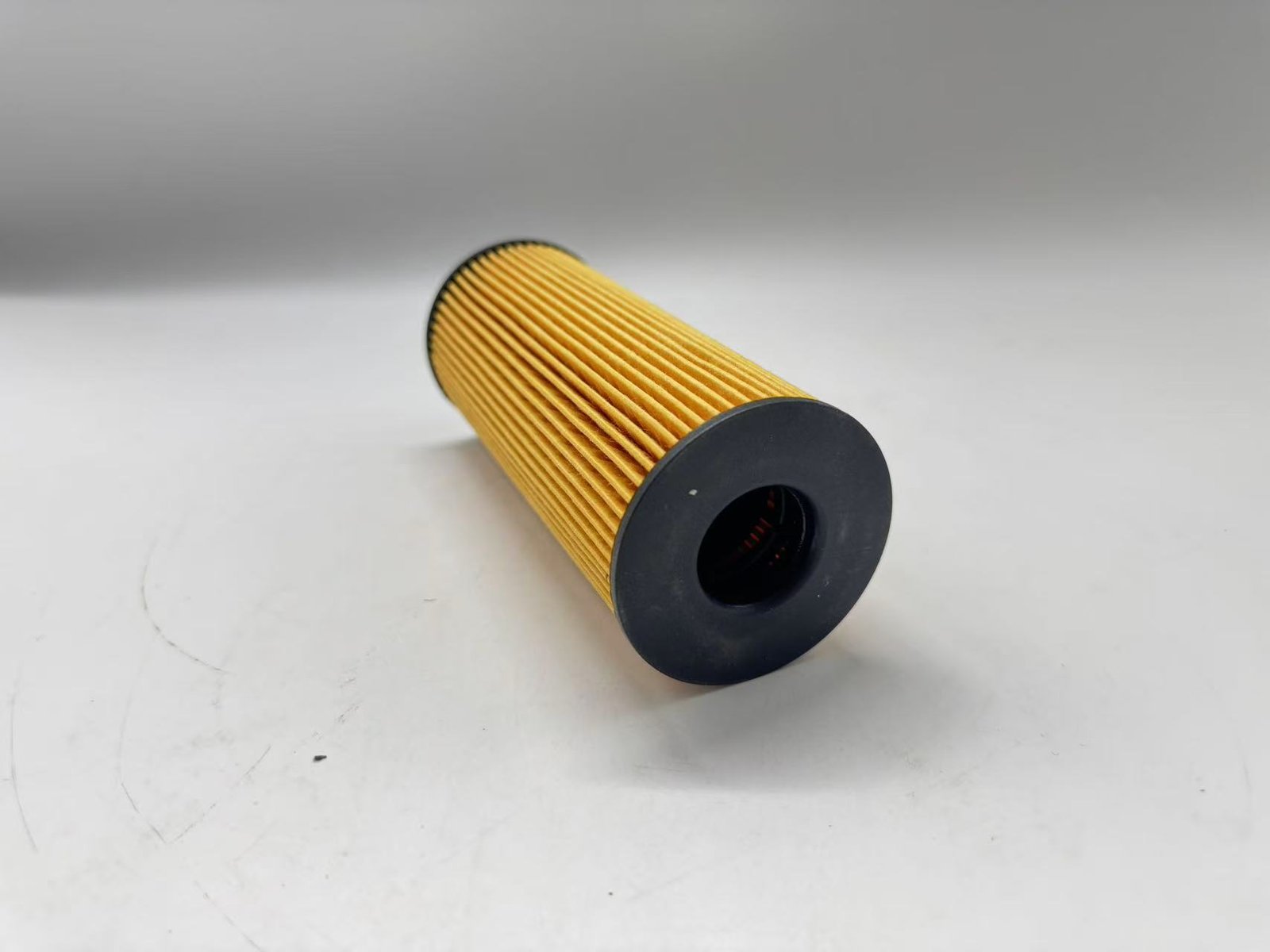
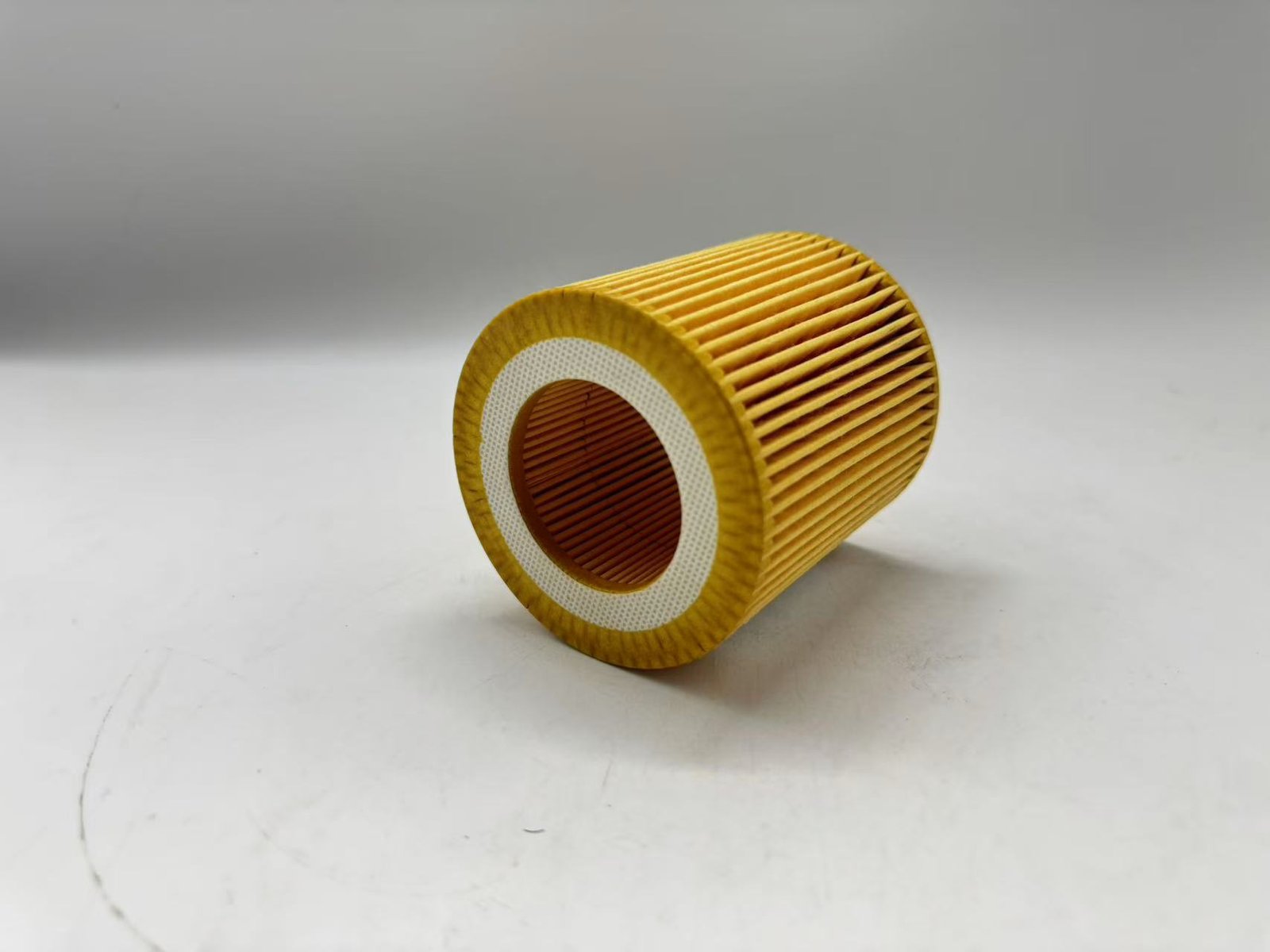
The automotive air conditioning filter is a filtering device installed in the automotive air conditioning system to remove particles, harmful gases or have antibacterial, anti-mold and other functions from the circulating air entering the passenger compartment and internal space of the vehicle. It is also known as the passenger compartment air filter, automotive filter, automotive air conditioning filter element, etc.
I. Industry Development Scale
Market size
The number of cars in China is constantly increasing, providing a stable and huge demand base for the after-sales replacement market of automotive air conditioning filters. A large number of in-use cars need to replace air conditioning filters regularly to ensure the quality of the air inside the vehicle and the normal operation of the air conditioning system. With the explosive growth of the new energy vehicle market, the requirements for air quality inside the vehicle are higher to enhance the driving and riding experience of users. The popularization of new energy vehicles will directly drive the demand growth for high-performance air conditioning filters suitable for new energy vehicle models. By 2024, the market size of the automotive air conditioning filter industry in China will reach 21.904 billion yuan, with a compound annual growth rate of 9.36% in the past five years.
2. Supply scale
The automotive industry is one of the most globally developed industries. The rapid development of the domestic auto market has attracted a large number of foreign-funded enterprises to enter the domestic market. Relying on their advantages in technology and capital, foreign-funded enterprises have quickly occupied an important share of the Chinese auto parts market. Most of the world's top 20 famous auto parts companies have entered the Chinese market through joint ventures or wholly-owned enterprises.
China's auto parts industry gradually developed during the "Eighth Five-Year Plan" and "Ninth Five-Year Plan" periods through the technology introduction and transformation of auto parts enterprises, their separation from vehicle manufacturers, and the efforts of private enterprises to reduce costs, improve production processes, enhance product quality and increase product competitiveness.
Since the beginning of the 21st century, with China's accession to the WTO and gradual integration into the global market, China's auto parts industry has achieved rapid development. However, compared with the international market, China's auto industry is still relatively fragmented, and the concentration of the auto parts industry is not high. The products mainly focus on raw material-intensive and labor-intensive items. In many key parts production and aspects such as product safety, environmental protection, and comfort, there is still a certain gap between China's independent auto parts enterprises and foreign producers, which to some extent has affected the development of China's auto parts industry. In recent years, China's auto consumption market has developed rapidly, and supporting industrial policies have been successively introduced, creating a favorable external environment and demand opportunities for domestic auto parts manufacturers. At the same time, through the absorption and transformation of foreign advanced technologies, the production capacity and technical level of domestic enterprises have rapidly improved. In recent years, some advanced enterprises with professional R&D capabilities, large-scale manufacturing capabilities, excellent marketing and management capabilities have gradually emerged in China's auto parts industry. These enterprises have gradually become the dominant force in the market, promoting the gradual increase in the concentration of the auto parts industry and gradually aligning the industrial characteristics with the international market. Overall, the auto parts industry has become an important supporting industry for China's auto industry and even the national economy.
In terms of automotive air conditioning filters, as automotive parts, there are currently a large number of enterprises in China that produce automotive air conditioning filters, but most of them are small in scale, and the number of medium and large-sized enterprises is relatively small. These enterprises include both professional automotive parts manufacturers and some comprehensive automotive manufacturing enterprises. Due to the diversity of automotive filter products in terms of types and structures, they are suitable for both high-automation mass production and small-batch workshop-style production mainly relying on manual operation.
In terms of production volume, in recent years, with the rapid development of China's automotive market and the increasing demands of consumers for in-car air quality, the demand for automotive air conditioning filters has been continuously growing, which has driven the improvement of industry supply capacity. It is estimated that in 2023, the domestic production volume of air conditioning filters will increase to 437 million units, and the demand volume will also reach the same level. It is expected that with the further expansion of the new energy vehicle market and the deepening of consumers' awareness of healthy travel, the supply capacity of automotive air conditioning filters will continue to strengthen.
3. Demand Scale
The downstream mainly includes the automotive manufacturing and the automotive aftermarket. In the automotive manufacturing sector, with the continuous increase in China's auto production, especially the rapid development of new energy vehicles, the demand for automotive air conditioning filters as supporting parts has been steadily growing, providing a stable market space for the industry. In the automotive aftermarket, the huge number of vehicles in use has led to a strong demand for the maintenance and replacement of air conditioning filters. Moreover, consumers' increasing emphasis on vehicle maintenance and healthy travel has further driven the growth in demand for automotive air conditioning filters in the aftermarket.
In terms of demand, the demand for automotive air conditioning filters in China has been continuously increasing in recent years. With the improvement of consumers' requirements for in-car air quality and the promotion of environmental protection policies by the government, high-efficiency, intelligent and environmentally friendly automotive air conditioning filter products are increasingly favored by the market. By 2024, the demand for the automotive air conditioning filter industry in China has reached 384 million.
From the perspective of market segmentation, the demand for automotive air conditioning filters has been steadily increasing in the automotive manufacturing sector. The Chinese automotive industry is developing well, with both traditional fuel vehicles and new energy vehicles seeing continuous growth in production. To enhance vehicle quality and driving experience, automotive manufacturers have almost achieved a 100% configuration rate for automotive air conditioning filters, and their requirements for performance such as filtration efficiency and service life are constantly rising. Due to the relatively closed interior space of new energy vehicles, they are more sensitive to the air quality inside the vehicle, and the demand for high-efficiency and intelligent automotive air conditioning filters is particularly prominent.
In terms of production volume, the demand for automotive filters is mainly related to the output of new vehicles. From 2020 to 2024, China's annual vehicle production increased from 25.32 million to 31.28 million. Assuming that each vehicle is factory-fitted with one air conditioning filter assembly, the demand for filters in China's OEM market in 2023 is estimated to be approximately 31.28 million units.
The demand potential of the automotive aftermarket is huge. The demand for automotive filters is mainly related to the number of vehicles in use. The number of vehicles in China has been continuously increasing, and by 2024, it has reached hundreds of millions. A large number of vehicles in use need to replace air conditioning filters regularly. Generally speaking, the replacement cycle of automotive air conditioning filters is about 1-2 years, which brings a stable and huge demand to the automotive aftermarket. Consumers' increasing emphasis on vehicle maintenance and healthy travel also prompts more people to replace air conditioning filters regularly to ensure the cleanliness and health of the air inside the vehicle. According to the data from the China Association of Automobile Manufacturers, the number of vehicles in China was approximately 353 million in 2024. Calculated based on the demand of at least one air conditioning filter replacement per vehicle per year, the demand for filters in the AM market in China was about 350 million in 2024. With the continuous growth of the number of vehicles, the demand for filters in the AM market will maintain a stable growth trend.
II. Industry Segmentation Markets
1. Complete vehicle assembly (automobile manufacturing)
In the automotive manufacturing process, air conditioning filters, as an important component for improving the air quality inside vehicles, are widely used in various types of vehicles. With the increasing demands of consumers for the air quality inside vehicles and the continuous strictness of government standards for the health of the in-vehicle environment, the demand for efficient, intelligent and environmentally friendly air conditioning filters in the new vehicle accessory market is constantly growing.
The rapid development of the new energy vehicle market has further expanded the demand for air conditioning filters. The demand for high-efficiency filter products in new energy vehicles is more urgent because electric vehicles do not have engines, and the front cabin layout space increases, providing conditions for product upgrades. In addition, new energy vehicles pay more attention to air quality and tend to use composite multi-functional filters with multiple functions such as blocking, electrostatic adsorption, and surface adsorption.
2. After-sales service market (automotive aftermarket)
The market for maintenance and replacement services: With the continuous growth of car ownership, the demand for maintenance and replacement services of air conditioning filters is also increasing. Consumers' emphasis on healthy travel has driven up the frequency of air conditioning filter replacements, thereby promoting the growth of the aftermarket.
The market for modification and upgrade: Some car owners, in pursuit of better air quality inside their vehicles, choose to modify or upgrade the original air conditioning filters, which also provides certain growth opportunities for the automotive aftermarket.
III. Industry Competition Situation
In China, there are various economic components in the domestic automotive air conditioning filter manufacturing industry, including state-owned, private, joint venture and wholly foreign-owned enterprises. The majority of them are small and medium-sized private enterprises. Due to the diversity of automotive air conditioning filter products and structures, they are suitable for both large-scale production with a high degree of automation and small-scale workshop production mainly relying on manual operation. Therefore, most domestic automotive air conditioning filter manufacturing enterprises are small in scale, and there are few large-scale enterprises. A monopolistic super-large enterprise has not yet been formed.
In the OEM market, as the level of specialized division of labor in the automotive industry continues to rise, most vehicle manufacturers and engine manufacturers organize production through external procurement and matching. Only a few manufacturers have established subsidiaries to provide automotive air conditioning filters. World-renowned automotive air conditioning filter manufacturers such as Mann+Hummel, Mahle, Donaldson, and Sofima have dominated the global OEM market. In the domestic OEM market, these world-renowned automotive air conditioning filter manufacturers have successively established factories in China, leveraging their long-term cooperative relationships with vehicle manufacturers to dominate the domestic joint venture automotive brand matching market. Domestic automotive air conditioning filter manufacturers such as Pingyuan, Jinwei, Hengbo, Wanyou, and Yili mainly focus on providing matching services for domestic independent vehicle manufacturers or engine factories.
In the AM market, since the market capacity of automotive air conditioning filters in the AM market is related to the number of vehicles in use, while that in the OEM market is related to vehicle production, the market capacity of the AM market is much larger than that of the OEM market. The brand concentration is very low, and no monopolistic brand has yet emerged in the market.
IV. Future Development Trends
The market size continues to grow.
With the continuous growth of car ownership and the increasing demands of consumers for in-car air quality, the automotive air conditioning filter, as an important component for purifying the air inside vehicles, will see a sustained increase in market demand. It is expected that in the coming years, the market size of the automotive air conditioning filter industry in China will maintain a steady growth trend. Especially driven by the rapid development of the new energy vehicle market, the demand for high-performance and low-noise air conditioning filters will increase significantly, further promoting the expansion of the market size.
2. Technological Development Trends
High-efficiency filter materials: In the future, automotive air conditioning filters will adopt more efficient and environmentally friendly filter materials to meet consumers' high standards for in-car air quality. For instance, high-efficiency adsorption materials such as activated carbon composite filter cloth will be more widely used.
Intelligent technology: With the development of intelligent connected vehicles, automotive air conditioning filters will also move towards an intelligent direction. Filters integrated with sensors and artificial intelligence technology can monitor air quality in real time and provide precise purification solutions, bringing users a more comfortable and healthy driving experience.
Customized services: Customized air conditioning filter modes tailored to different vehicle models and driving habits will gradually become more widespread. This service model can better meet consumers' personalized needs and enhance market competitiveness.
3. Diversified competitive landscape
The competitive landscape of China's automotive air conditioning filter industry will present a diversified feature. It includes both powerful multinational enterprises and rapidly rising domestic brands. With the continuous growth of market demand and technological progress, the competition will become more intense. Domestic brands will rely on cost advantages, understanding of the local market, and other strengths to continuously improve product quality and market competitiveness; while multinational enterprises will consolidate their market position through technological innovation, brand advantages and other means.
4. Policy Support and Promotion
National policies will play a significant role in promoting the development of the automotive air conditioning filter industry. On the one hand, the implementation of national energy conservation and emission reduction policies will encourage automakers to adopt more advanced air purification technologies, thereby enhancing the performance and quality of air conditioning filters. On the other hand, the supportive measures taken by local governments for the development of the automotive parts industry will also provide more development opportunities and market space for the automotive air conditioning filter industry.
发送邮件

20-08-2025
18-08-2025
13-08-2025
隐私声明:您的隐私对我们非常重要。我们公司承诺不会在您的明确许可的情况下向任何外部公司披露您的个人信息。
Fill in more information so that we can get in touch with you faster
Privacy statement: Your privacy is very important to Us. Our company promises not to disclose your personal information to any external company with out your explicit permission.